

Ihlamur Pavilions Entrance Ticket
Audio Guide in 25 Languages
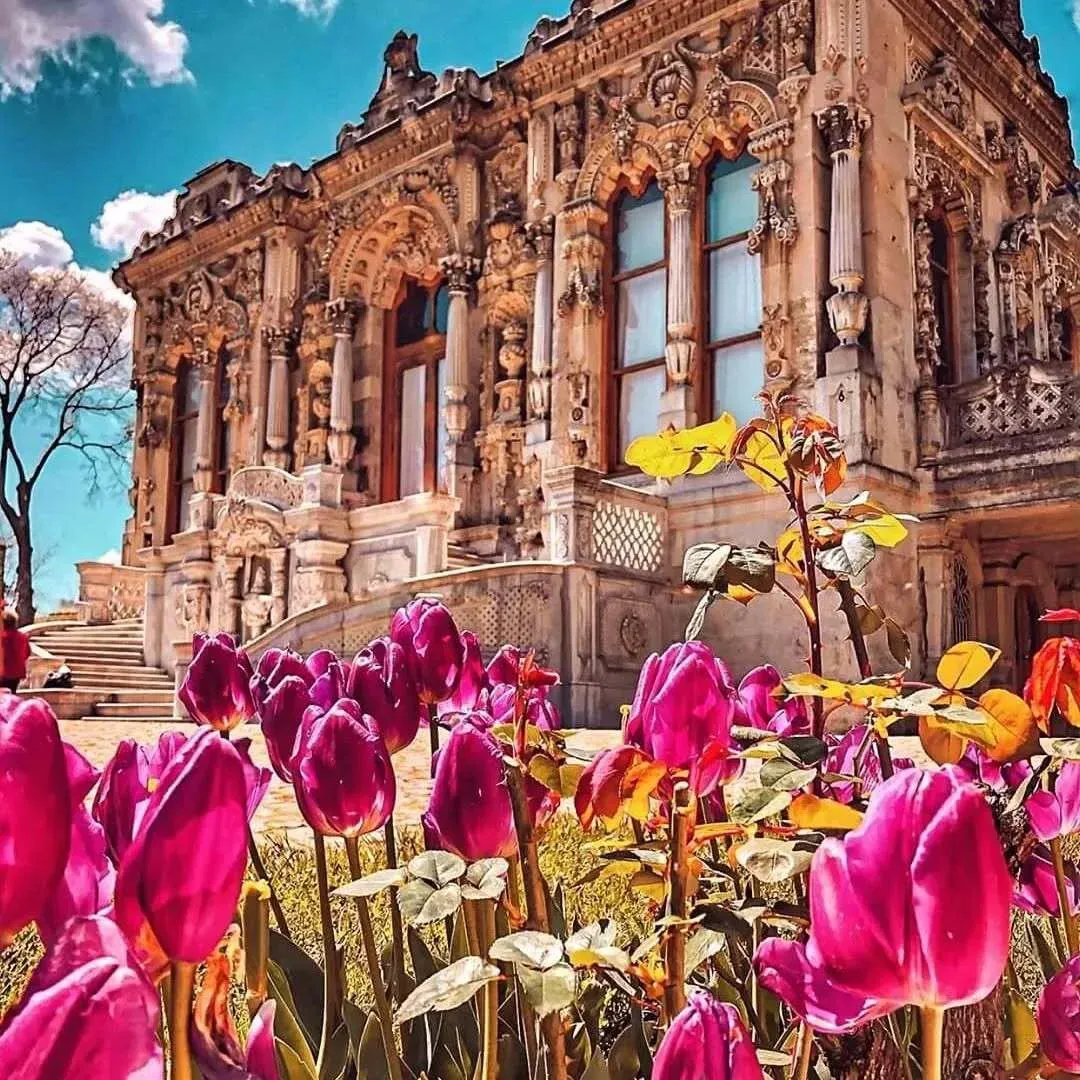
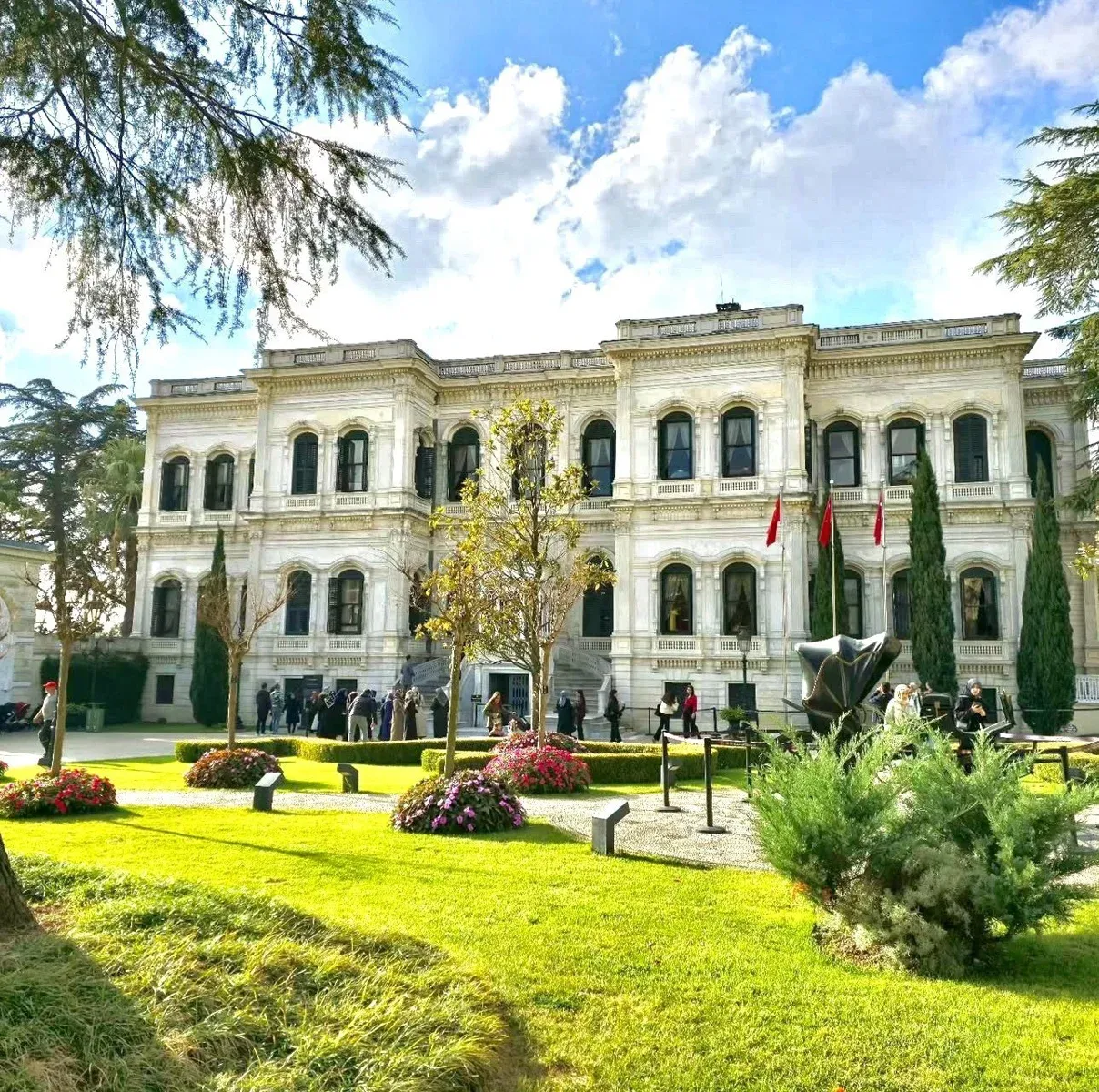
Welcome to the tiny but breathtakingly beautiful Ihlamur Pavilion, a residence of the Ottoman Empire. This pavilion spans over 24,727 square meters and is located in the vibrant district of Besiktas. Its name derives from the Turkish word for linden trees, which are abundant in the area. The pavilion boasts exquisite architectural details and design elements that display the elegance and sophistication of its era. With the Istanbul Tourist Pass®, you can learn more about the pavilion and its unique features.
Get your online ticket easily when you arrive at the Ihlamur Pavillion. Just Show&Go your online ticket and get into the beautiful Ihlamur Pavillions. Self-discover this amazing place by listening to the specially curated audio guide, exclusively prepared by your Pass!
With the Istanbul Tourist Pass®, you can enjoy an immersive audio guide at the Ihlamur Pavilion for FREE, enhancing your visit with rich historical insights and details about its stunning architecture. This digital pass grants access to over 100 attractions and services, ensuring a comprehensive Istanbul experience. BUY NOW!
Ihlamur Pavilion welcomes visitors on the following days and times:
Getting to the Ihlamur Pavillions Skip-the-Ticket-Line Entry with Audio Guide is convenient and accessible from various parts of Istanbul. Here’s a guide to help you reach this iconic landmark:
The Ihlamur Pavilion is conveniently located in the Besiktas district of Istanbul.
To reach the pavilion, you can take public buses and then walk a short distance. Alternatively, taxis are readily available and can drop you off directly at the entrance.
The closest metro station is Yıldız, an 8-minute walk from Ihlamur Pavilion. Take the M7 line to reach the station.
The Ihlamur Pavilions are situated in the Ihlamur Valley, nestled between the hills of Beşiktaş, Yıldız, and Nişantaşı. Historically, from the 18th century to the early 20th century, this area served as a popular country excursion spot. The valley, adorned with plane and linden trees, was shaded by the Fulya stream.
Origins and Development
The lower part of the valley, which includes the Ihlamur Pavilions, was initially owned by Hacı Hüseyin Agha, the administrator of the imperial dockyard during Sultan Ahmed III's reign (1703-1730). Later, it became state property and was transformed into an imperial garden. Historical markers, such as archery stones in the upper valley, indicate that Sultan Selim III (1789-1807) and Sultan Mahmud II (1808-1839) held archery contests in this area.
Sultan Abdülmecid's Transformations
Under Sultan Abdülmecid (1839-1861), the third part of the valley was cultivated and designed as the "Conversation Garden." Between 1848 and 1855, he replaced the modest pavilion mentioned by French poet Lamartine with two new pavilions, renaming the area "Nüzhetiye," which means "relief, freshness, joy, and happiness."
Later Uses and Historical Significance
During Sultan Abdülaziz's reign (1861-1876), the imperial garden hosted various entertainments and wrestling matches, remaining a favored location for subsequent sultans and their families. After the proclamation of the Republic, the Ihlamur Pavilions were transferred to the İstanbul Municipality in 1951 and housed the Tanzimat (Reorganization) Museum.
In 1966, the Ihlamur Pavilions were allocated to National Palaces, and following extensive landscaping, they were opened to the public as a museum in 1985, showcasing their original furnishings.
The Pavilions: Ceremonial and Retinue
The Ihlamur Pavilions consist of two main structures:
Ceremonial Pavilion: This pavilion served as the Sultan’s office and reception area. It is an architectural marvel featuring an entrance hall, two side rooms, a baroque-styled staircase, and intricate relief decorations. The interior boasts a Western-style decor, favored in 19th-century Ottoman palaces, with European furniture and furnishings complementing the design.
Retinue Pavilion: This pavilion was designated for the Sultan’s entourage and family. Its traditional architecture includes a central hall-like room surrounded by corner rooms, with walls adorned with stucco work imitating marble in various colors.
Both pavilions were primarily used for day trips by the sultans and to entertain foreign dignitaries, reflecting the blend of personal and official use during their time.
Best Sights in One Day
Visit 2 landmarks & 3 authentic experiences including Hagia Sofia or Topkapi Palace and Blue Mosque with Bosphorus Cruise.
Istanbul Must-Sees
Visit 3 landmarks & 100+ top attractions including Hagia Sofia, Topkapi Palace, Blue Mosque.
Ultimate Istanbul Experience
Visit ALL 7 landmarks, 120+ top attractions & premium experiences including Luxury Bosphorus Sunset, Breakfast & Dinner Cruises and deluxe Hammam.