

Entry Ticket to the Museum
Audio Guide in 25 Languages
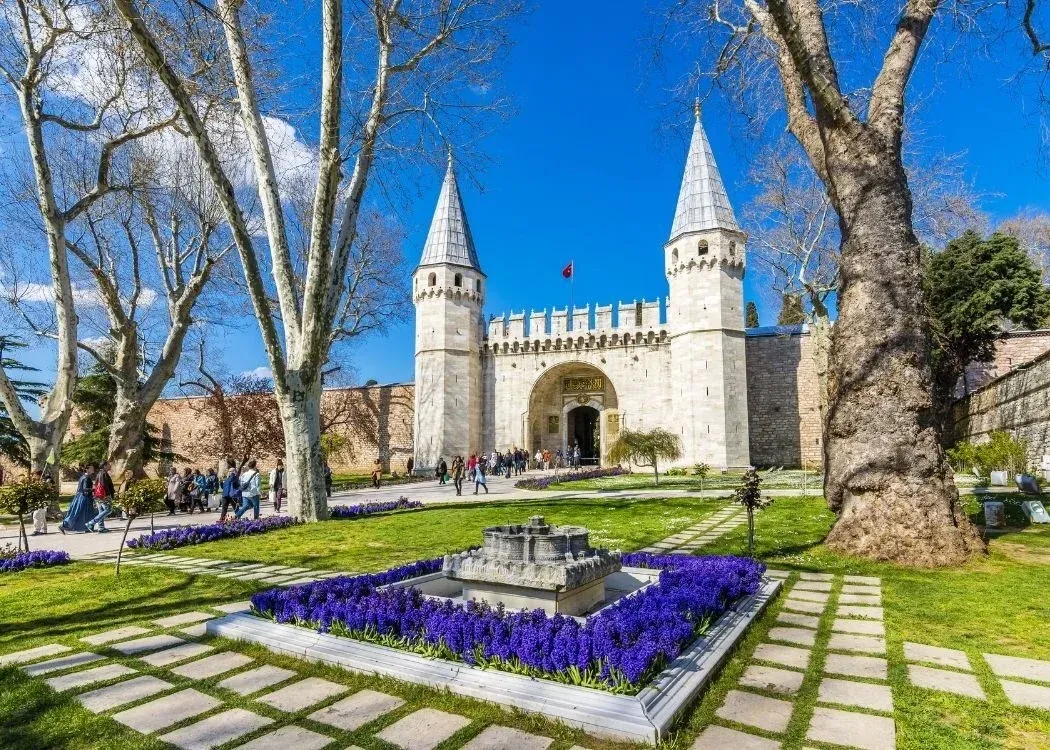
This museum is located in an easily accessible location in Gulhane Park. The Museum of the History of Science and Technology in Islam was opened on May 24, 2008, by the Ministry of Culture and Tourism. This museum hosts an exhibition that is the product of studies carried out under the leadership of Prof. Dr. Fuat Sezgin and started at the Institute for the History of Arab-Islamic Sciences in Frankfurt.
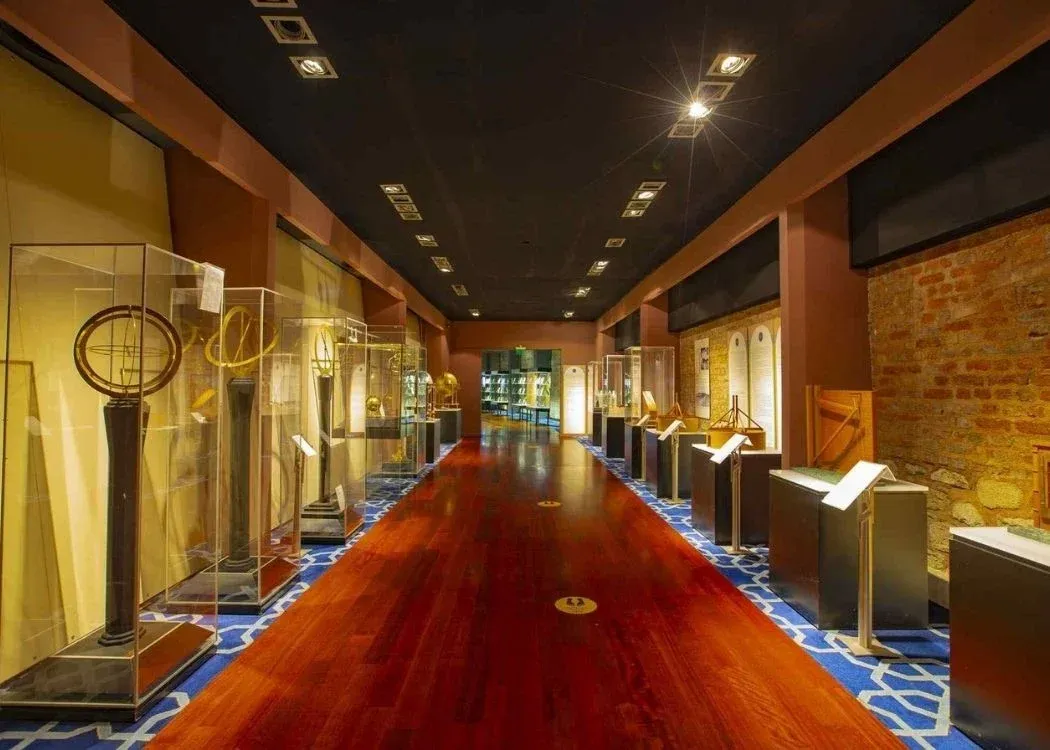
The museum exhibits the inventions, discoveries, and studies made by scientists of the Islamic world between the 9th and 16th centuries. The museum, which has a total exhibition area of 3500 square meters, is the first in Turkey and the second in the world after Frankfurt. There are 585 tools, device copies, mock-ups, and models in the Museum of the History of Science and Technology in Islam, and it consists of twelve sections in total: Astronomy, Clock & Maritime, War Technology, Medicine, Mining, Physics, Mathematics and Geometry, Architecture and City Planning, Chemistry and Optics, Geography.
Prof. Dr. Fuat Sezgin founded this museum by conducting research on the History of Islamic Science and Technology for more than fifty years. With his works based on sources, he emphasizes that the developments in the history of science and civilization are a whole and are the common heritage of humanity. While the Istanbul Museum of the History of Science and Technology in Islam offers the aesthetic and educational power of scientific works, it also sheds light on the present and the future by exhibiting the history of science of the Islamic world in the past with its documents.
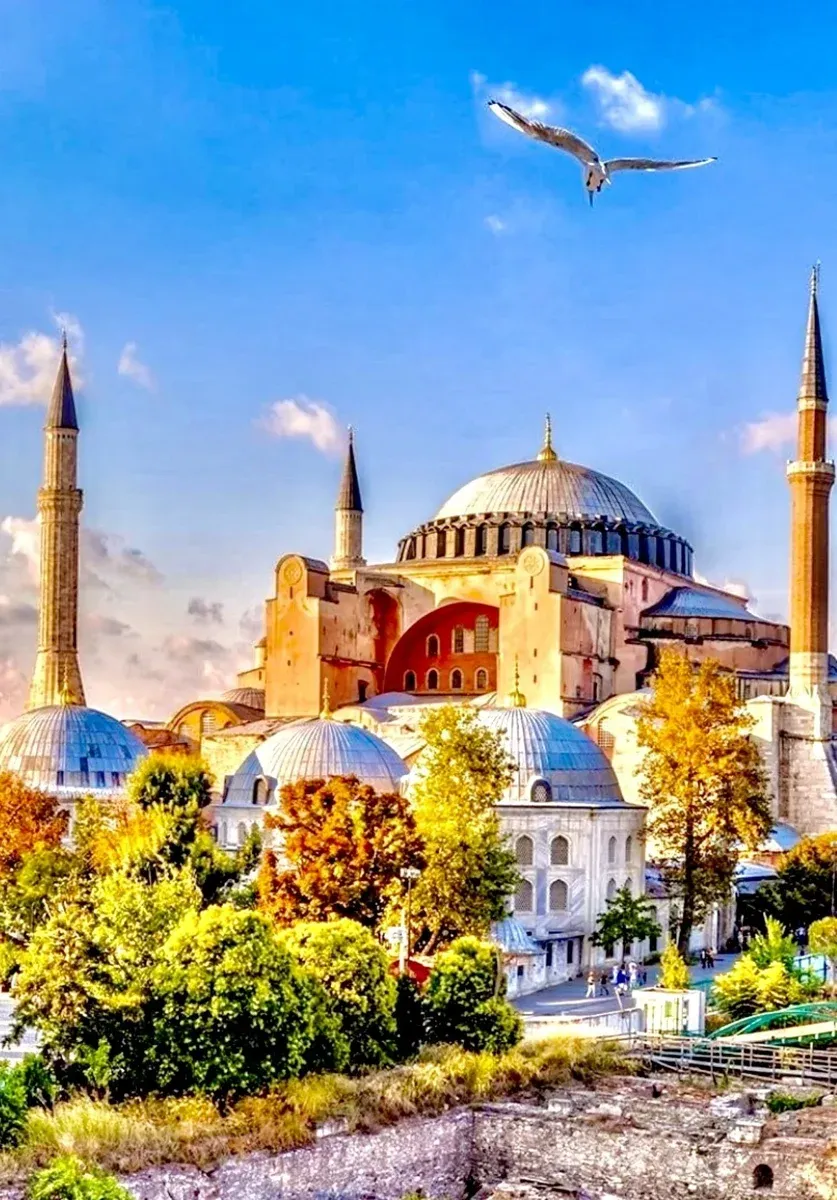
Just get into the amazing New Mosque. Self-discover this incredible place by listening to the specially curated audio guide, exclusively prepared by your Pass!
For this amazing experience and more, Buy Your Pass Now! Istanbul Tourist Pass® is here to make your Istanbul trip an unforgettable experience!
Istanbul Museum of the History of Science and Technology in Islam welcomes visitors on the following days and times:
Getting to the Istanbul Museum of the History of Science and Technology in Islam Entry Ticket with Audio Guide is convenient and accessible from various parts of Istanbul. Here’s a guide to help you reach this iconic landmark:
To get to the museum, take the T1 Bağcılar - Kabataş tram and get off at Sultanahmet station.
You can walk in 15 minutes to Gülhane Park, where the museum is located.
Conceptualized by the famous Islamic science historian Prof. Dr. Fuat Sezgin, the museum is divided into 12 separate sections. Each of them highlights different aspects of the scientific and technological advances of that period.
Sections of the Museum
When you enter the exhibition, you are greeted by an impressive work: the Elephant Clock designed by al-Jazeri. This mechanical masterpiece was specially produced to celebrate the universal qualities and innovative spirit of the Islamic world.
The Astronomy Section hosts observatories, astrolabes, and miniatures of various measuring instruments, and presents the astronomical knowledge and observation techniques developed by Islamic scholars to visitors.
The Clocks and Marine Section focuses on measuring time and marine innovations. Complex mechanical clocks of al-Jazari and al-Biruni and works of Taqi al-Din from the Ottoman period are exhibited here.
The War Technology Section highlights the Islamic world's advances in war technologies and defense strategies. Here you can explore these developments through historical documents and original discoveries.
The Medicine Section contains instruments and manuscripts demonstrating the medical knowledge and practices of Islamic physicians. This section provides a wide range of health information, from surgical instruments to pharmacology.
The Mining Section researches mining methods and technologies used in the Islamic Golden Age. This chapter presents the tools and techniques used to extract and process a variety of minerals and metals, reflecting advanced knowledge of geology and metallurgy.
The Physics Section exhibits scale models of the devices mentioned in al-Jazari's book "Kitabu'l-Hiyel". Featured items include specific gravity measured by al-Biruni's pycnometer, a screw pump, a six-piston pump, and various mechanical devices such as the Perpetuum mobile. In addition, innovative mechanisms such as four sliding door bolts, scissor-shaped elevators, and block and block pulley systems are also included in this section.
The Mathematics and Geometry Section reveals the contributions of Islamic mathematicians and geometricians. In this section, you can find information about mathematical manuscripts, calculation tools, and geometric models.
The Architecture and City Planning Section emphasizes the architectural richness and city planning innovations of the Islamic world. Here you can explore the development of this art and science through historical buildings, architectural drawings, and city plans.
The Chemistry and Optics Section is equipped with laboratory equipment and optical devices where chemical processes and optical theories are explored. In this section, a wide range of information is presented, from Islamic scholars' chemical experiments to optical theories.
The Geography Section is full of ancient maps and navigational instruments that reflect the geographical knowledge of Islamic scholars. In this section, you can take an in-depth journey into the history of geographical discoveries and navigation techniques.
In the Cinevision Screening Room, you can enrich this magnificent exhibition with impressive documentaries and films depicting the history of Islamic science and technology.
Best Sights in One Day
Visit 2 landmarks & 3 authentic experiences including Hagia Sofia or Topkapi Palace and Blue Mosque with Bosphorus Cruise.
Istanbul Must-Sees
Visit 3 landmarks & 100+ top attractions including Hagia Sofia, Topkapi Palace, Blue Mosque.
Ultimate Istanbul Experience
Visit ALL 7 landmarks, 120+ top attractions & premium experiences including Luxury Bosphorus Sunset, Breakfast & Dinner Cruises and deluxe Hammam.